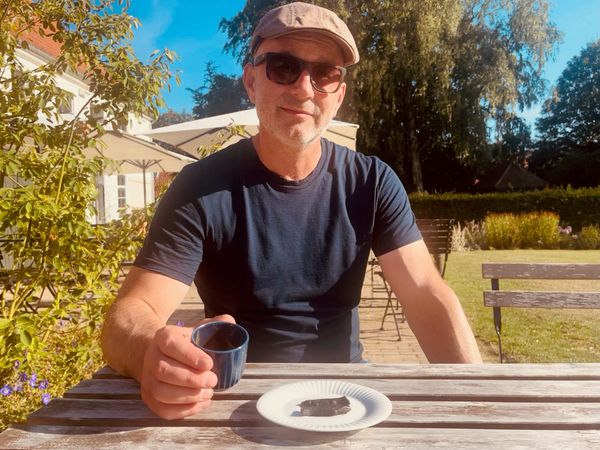
Between form and improvisation.
Freedom comes from knowing the form well enough to move within it.

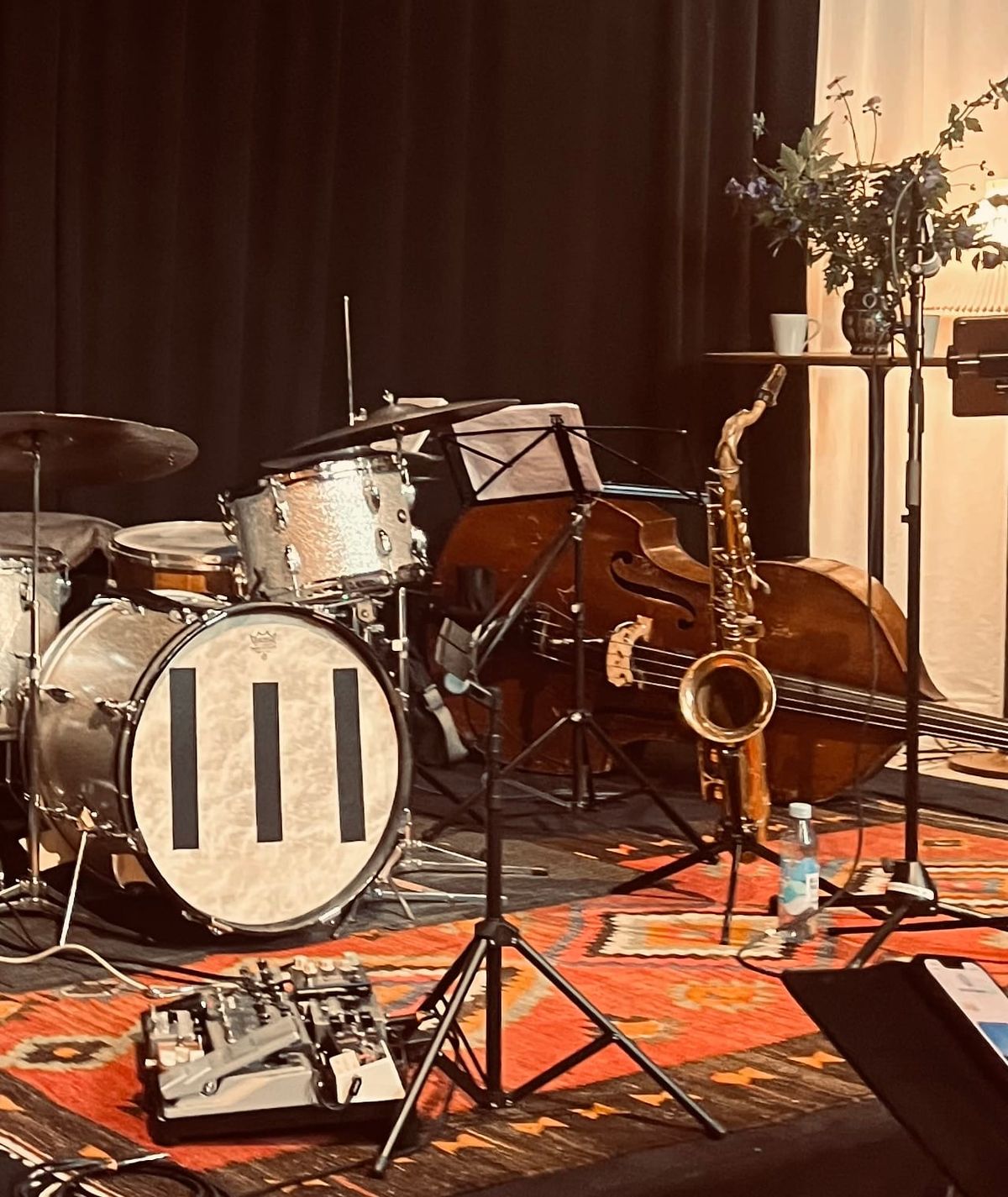
One of the things I love about jazz is the way it moves between form and improvisation.
I was listening to some great jazz the other night, played by a Danish saxophonist, and found myself thinking about what makes the music so particular.
There is a structure. A melody. A rhythm. A progression. Something to begin from.
And then there is freedom.
Within that structure, the musicians can move almost anywhere — depending on their technical ability, their musical understanding, their instincts and their willingness to listen.
I can’t think of another genre of music that creates quite the same relationship between form and improvisation.
Perhaps that is why jazz has always felt so close to me.
There is something deeply human about having a structure to work within while still being free to find your own way through it.
And I think that dynamic is formative to identity.
We are all given structures. Families, cultures, expectations, experiences, circumstances. They shape the space we move within.
But within those structures, there is still room for improvisation.
How far we can move may depend on what we know, what we have experienced and what we are capable of. But it also depends on our willingness to listen, respond and take a different direction when the moment calls for it.
In jazz, the musician doesn’t improvise in a vacuum.
The freedom comes from knowing the form well enough to move within it.
Perhaps identity works in much the same way.
We become ourselves not by escaping every structure, but by learning how to move freely within the ones that shape us.
That, to me, is one of the great gifts of jazz.
It reminds us that freedom and form are not opposites.
Sometimes, freedom begins with knowing the structure you’re playing in.