When Strategy Thinks Like the Problem
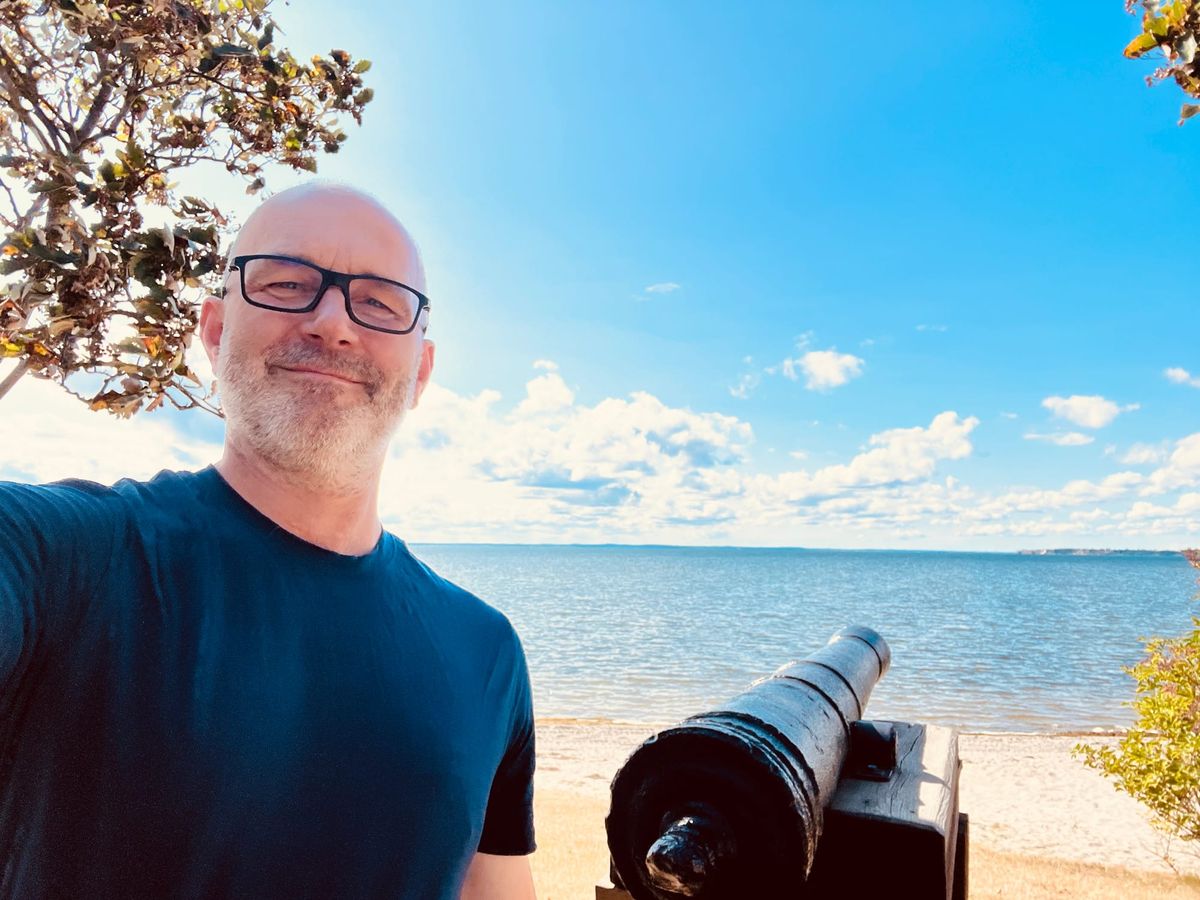
Using the thinking that created a problem to solve it is like using a historical cannon to defend yourself against a cyberattack. The weapon may have worked once. But it belongs to a different kind of problem and context.

We talk a lot about the need to think differently. About innovation, new strategies and finding new ways forward. But often, we try to solve our problems using the same thinking that helped create them in the first place.
It’s not difficult to understand why. Our thinking is shaped by what we already know. The experiences, models and assumptions we carry with us also become the lenses through which we see the problem. And when we sit down to develop a new strategy, we can easily end up asking new questions within the same old frames.
That can create movement without real change.
New answers, old questions
We optimise. Adjust. Reorganise. Find new formulations. We make the plan more ambitious, the process more efficient, the organisation more agile. Yet sometimes, the problem remains remarkably familiar.
Perhaps it isn’t a solution we are missing. Perhaps it is our way of thinking about the problem that limits the solutions we are able to see in the first place.
This is one of the reasons I believe we sometimes need to take a step back before we move forward.
Not to think more, but to examine our own thinking.
What assumptions are we working from? What do we take for granted? Which questions do we keep asking because they feel natural? What have we already decided without realising it?
And what might happen if we started somewhere completely different?
Making room for different thinking
This is where I see strategic facilitation as more than a process for getting people together to discuss strategy.
At its best, facilitation creates the conditions for people to see what they could not see while they were inside the problem.
It creates space for different perspectives to meet. For assumptions to become visible. For questions to change. And sometimes, for something to emerge that could not have been found by simply working harder with the thinking we already had.
For me, this is an important part of strategic work.
Strategy is not only about deciding where we want to go. It is also about developing the thinking that makes it possible to see different paths forward.
Before strategy comes attention
That means paying attention before deciding. Exploring before defining. And being willing to question not only the answers, but the premises behind the questions.
Because the way we frame a problem determines, to a surprising degree, the solutions we are able to imagine.
If we want to create something genuinely new, it is therefore not always enough to find new answers.
Sometimes we need to start by questioning the questions we are already asking.